The Art of the Perfect Gift: When to Start Planning for Father's Day
If you’re reading this right now, chances are your calendar is already suffering from a faint migraine. You know what time it is. It’s the slow, creeping realization that in less than two weeks, you need to find something— something meaningful—to celebrate the man who deserves the world.
The question, "When is the best time to buy Father's Day gifts?" feels deceptively simple. If it were truly about dates, I’d just say: buy them. But for us thoughtful gift Fitness Enthusiast researchers—the ones who are trying to move beyond the novelty socks and generic grilling sets—it’s never just about a date. It’s about pacing, personalization, and avoiding that panicked last-minute rush that leads to mediocre gifts.
The truth is, the best time to buy Father's Day gifts isn't when you hit "checkout." The best time to buy them is when your inspiration hits. And trust me, finding genuine inspiration takes more time than a quick Google search.
Why Timing Matters More Than Just Dates
When people ask this question, they are really asking: "How do I avoid stress and find something that actually says, 'I see you'?"
The modern gift-giving landscape is overwhelming. There are gadget hampers, artisanal whiskey collections, subscription boxes for every niche hobby imaginable. The best approach isn't a linear timeline; it’s an inward one—a journey back to what your father genuinely loves when no one is watching.
We can break down the preparation process into three actionable phases: The Discovery Phase, The Curation Phase, and The Execution Phase. Focus on mastering these stages, and the actual buying moment will feel effortless.
Phase 1: The Discovery Window (Start Now)
This phase should begin as soon as you even think about Father's Day—ideally, in early spring. This isn't "shopping" time; it’s observation time. You are becoming a detective of your own father’s life.
Forget gift websites entirely for now. Instead, focus on gathering data points that reveal his passions and his unmet needs.

- Listen Intently: What does he complain about? (e.g., "I wish I had more time to read," or "My old coffee maker is ridiculous.") These complaints are goldmines—they signal an opportunity for a solution, not just a trinket.
- Mine the Archives: Look through his bookshelves, listen to his favorite music, scroll through old photos. Does he keep collecting vintage watches? Is there a theme emerging? The gift that connects to a shared memory is always more valuable than the most expensive item.
- Ask the Right Questions (of him and others): Instead of asking "What should I get you?" try: "If you had an extra free weekend, what activity would you spend it doing?" or "What skill have you been meaning to learn?"
A word from a fellow gift-giver: “I used to think the perfect Father’s Day gift was always about money—a fancy gadget or a big trip. But I realized that sometimes, the most thoughtful thing is simply giving him back his time. A curated afternoon of uninterrupted reading, for example.”
Phase 2: The Curation Window (4-6 Weeks Out)
Once you have identified a genuine passion point (e.g., "He loves whiskey and spending time in his study," or "He's obsessed with the outdoors"), it’s time to build the gift, not just buy it. This Extra resources is where curation shines.
The modern thoughtful gift often takes the form of a themed experience or a specialized hamper—a collection of high-quality items that work together and tell a story.
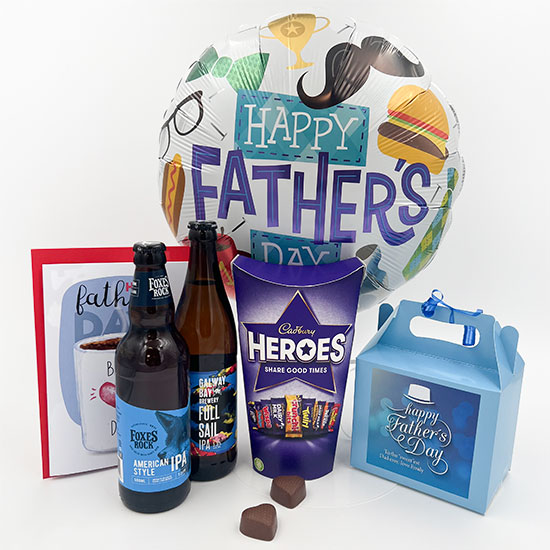
- Build Around an Activity: Don't buy individual items; build a kit. If he loves grilling, don't just buy new tongs. Curate a "Master Griller Kit": unique spice rubs sourced from different regions, a quality meat thermometer, and a specific book on BBQ techniques.
- Invest in Quality Over Quantity: When shopping for consumables (like whiskey or coffee), resist the urge to buy the biggest bottle. Instead, find a highly-rated tasting set or a rare single-source variety. It feels more sophisticated and thoughtful.
- Consider the "Experience Element": This is the ultimate level of curation. Can you pair physical gifts with an activity? Buying tickets to a local brewery tour, followed by a curated selection of tasting notes and specialty snacks? That combination creates lasting memories, which is what he will actually remember.
Phase 3: The Execution Window (The Final Week)
By the final week, your mission shifts from "finding" to refining and presenting.
If, despite all your best efforts, time has truly run out, do not panic-buy something generic just because it's available. Instead, pivot back to a highly personal, low-cost gesture that requires emotional effort:
- The Curated Memory Box: This is the ultimate emergency gift. Gather small items—a ticket stub from a past concert, a photo printout of a family trip, a note written by each person in the family—and place them in a beautiful box with a heartfelt letter explaining why you chose those specific objects and what they mean to your family story.
- The Handwritten Letter: Never underestimate the power of genuine prose. Take time to write him a detailed letter that lists all the things he has done for you or the family, detailing why you appreciate him. It costs nothing but time, and its value is priceless.
Remember what one friend told me after giving her dad an incredibly thoughtful gift: "It wasn't the $300 leather wallet; it was knowing I spent four hours researching his favorite brand and remembering that he spilled coffee on his old one." The effort shines through.
Ultimately, understanding when to buy is less about tracking down a specific calendar date and more about respecting your own planning timeline. Give yourself the time needed for deep thought—the kind of thinking that allows you to move from "What should I get him?" to "What does he need right now?" That shift in perspective is where the truly meaningful gifts live.
Pro Tip: Start a running 'Father's Day Ideas File' (digital or physical) every year. Jot down those overheard complaints, the books he reads, and the hobbies that momentarily capture his interest. By the time Father’s Day rolls around, you won't be scrambling; you’ll just be pulling ideas from your own master file.